Welcome Message by JEONG, Eun Kyeong
Minister of Health and Welfare of the Republic of Korea

Welcome Message by JEONG, Eun Kyeong
Minister of Health and Welfare of the Republic of Korea
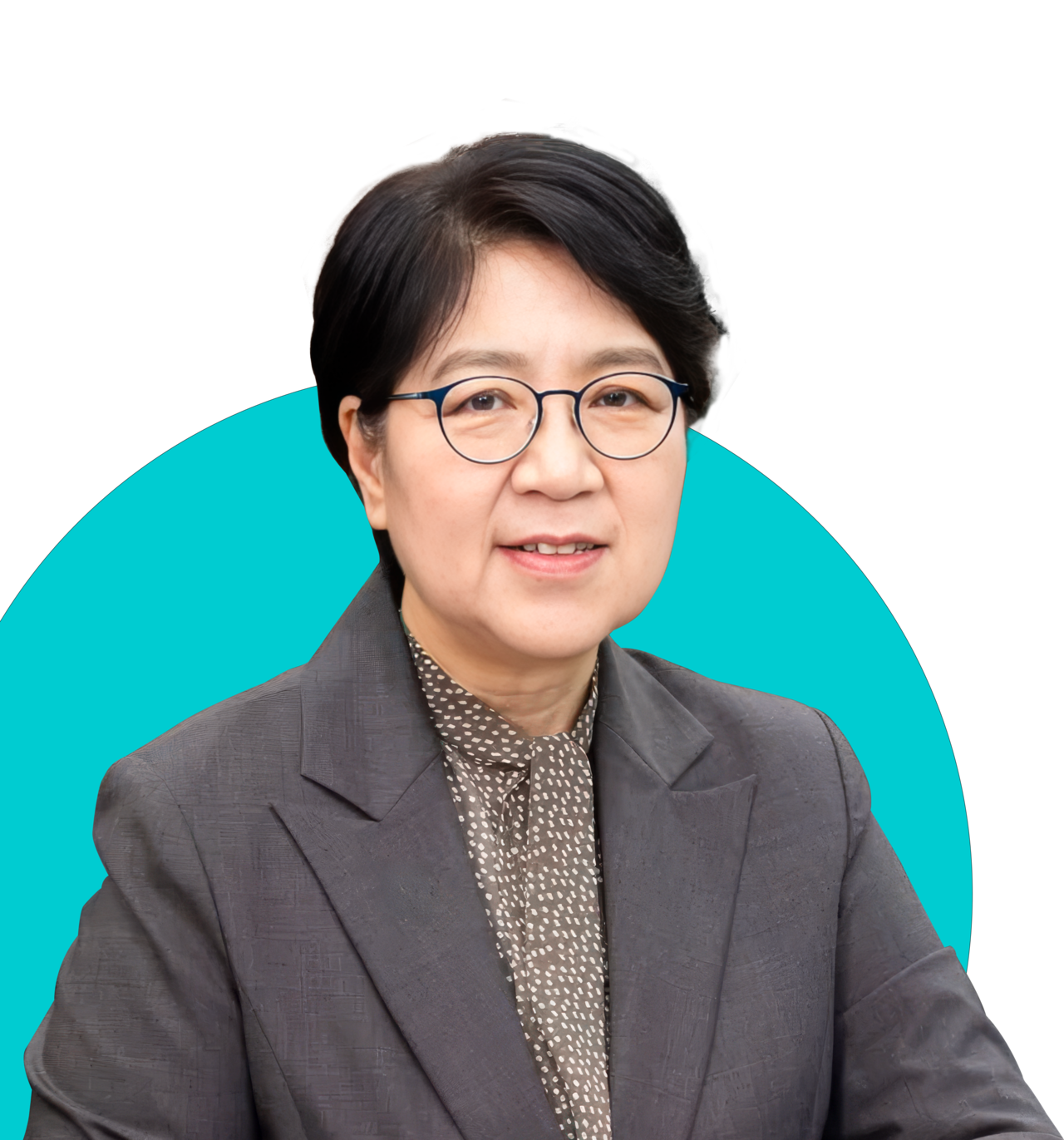
Minister of Health and Welfare of the Korea
JEONG, Eun Kyeong
Hello and a warm welcome to everyone.
I am JEONG, Eun Kyeong,
Minister of Health and Welfare, Republic of Korea.
As autumn reaches its full splendor in October, it is my great pleasure to
welcome global health leaders and business leaders from around
the world to the World Bio Summit 2026.
First held in 2022, the World Bio Summit was launched as a platform
to share the lessons learned from the global response to COVID-19 with
the international community and to discuss equitable access to
vaccines and therapeutics.
Today, the World Bio Summit seeks to take a further step forward, moving
beyond global cooperation for health security to become a forum for shaping
the future of healthcare amid the AI-driven transformation of our world.
AI is fundamentally transforming the paradigm across the entire biohealth sector
—from drug discovery and clinical practice to hospital operations and investment.
At the heart of this profound transformation, we stand at a critical moment
when we must work together to find ways to ensure that the benefits of
AI-driven innovation are shared equitably by all of humanity.
Under the theme “Expanding Biohealth Innovation through AI,”
the Ministry of Health and Welfare of the Republic of Korea and
the World Health Organization (WHO) will bring together leading experts and
stakeholders for in-depth discussions across three sessions:
“New Science,” “New Value,” and “New Finance.”
In particular, at this year’s World Bio Summit, the Government of the
Republic of Korea will announce the “AI Healthcare Seoul Declaration,”
setting out a vision for responsible AI adoption and international cooperation.
Through this initiative, we seek to realize the vision of
“AI-enabled essential healthcare,” ensuring that the benefits of AI innovation are
not concentrated in particular countries or among certain groups,
but are shared equitably by all.
I invite you to join us on this bold journey to protect human life and dignity and
to open new horizons for the future of healthcare.
I look forward to welcoming you all on October 21 at
COEX Magok Convention Center in Seoul, Republic of Korea.
Thank you.

Welcome Message by Tedros Adhanom Ghebreyesus
WHO Director-General
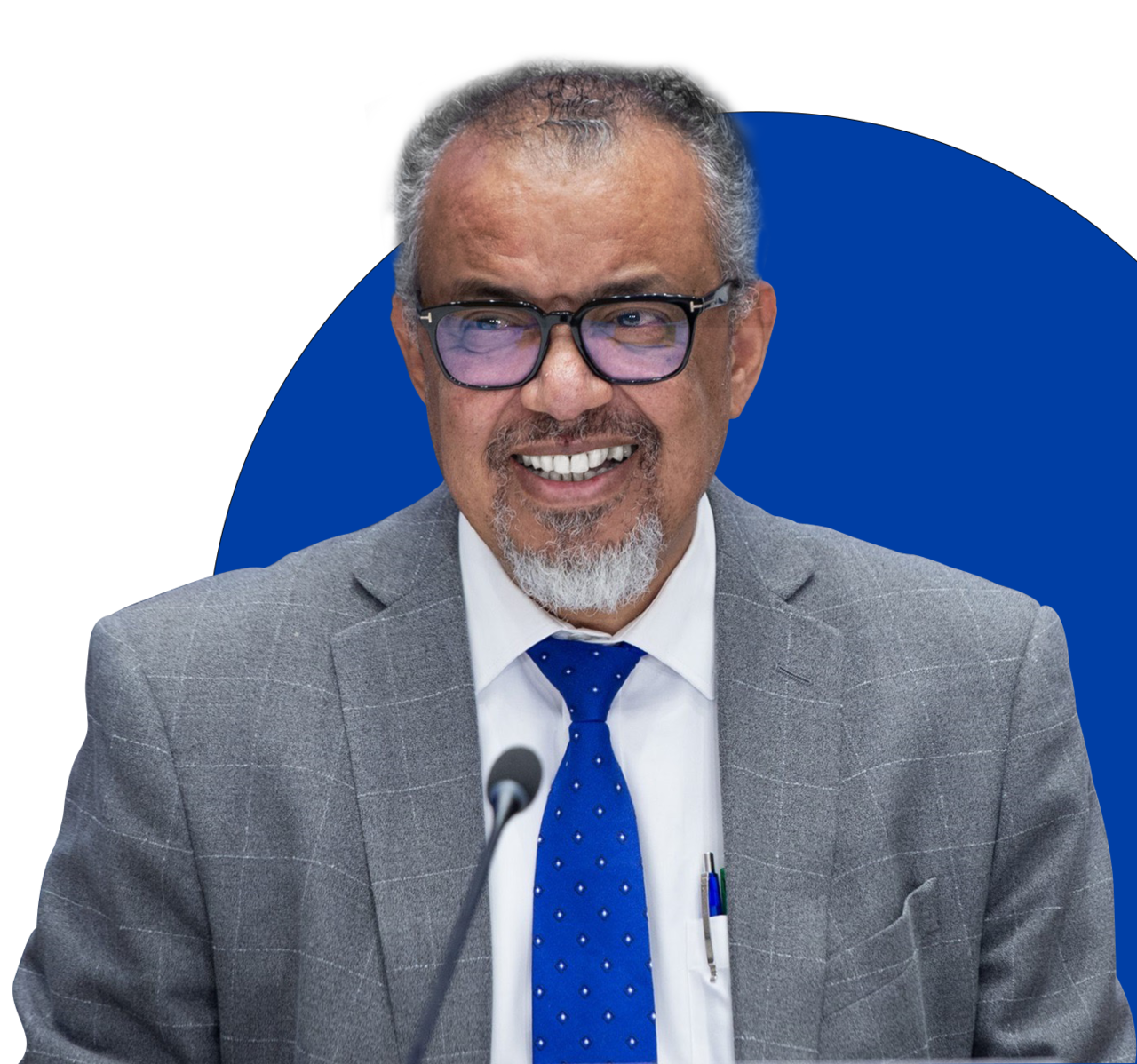
WHO Director-General
Tedros Adhanom Ghebreyesus
World Bio Summit 2026
Expanding Biohealth Innovation Through AI
Innovation has always been the engine of progress in public health. Technologies including vaccines, penicillin, the mapping of the human genome, the MRI machine and more recently advances in mRNA and gene editing technology have all changed the trajectory of disease and transformed the lives of millions of people.
But innovation is most powerful when it serves to narrow inequalities rather than widen them. Scientific breakthroughs can transform health only when countries have the capacity to access, adopt and benefit from them. Health security depends on equitable access to new technologies between and within countries, supported by resilient health systems, strong regulatory frameworks, and a skilled workforce.
That is why WHO and its partners are working to strengthen capacities for local production globally, through initiatives including the Global Training Hub for Biomanufacturing in the Republic of Korea. When we decided to position the Hub in Seoul, we were confident that it would be a success, and that’s what we’re seeing. Since 2022, the Hub has trained more than 4,000 participants from around the world, helping to build the expertise needed not only to strengthen manufacturing and health security today, but also to harness the innovations of tomorrow. We thank the Government of the Republic of Korea for hosting the Hub, and look forward to our continued partnership.
This Summit's theme, "Expanding Biohealth Innovation through AI," recognizes that artificial intelligence is rapidly becoming one of the most transformative innovations of our time. AI is no longer merely a supporting technology. It is emerging as a powerful catalyst across the entire biohealth ecosystem, from scientific discovery and clinical research to manufacturing, health service delivery and public health.
AI has the potential to accelerate the development of medicines, vaccines, diagnostics and medical devices; improve disease prevention, diagnosis and treatment; strengthen rehabilitation and long-term care; enhance the performance of health systems; and reinforce preparedness and response for health emergencies.
When deployed responsibly, AI can complement the work of health professionals, expand access to essential services, and help reduce long-standing disparities within and between countries. It can also support greater self-reliance in health by enabling countries to apply data, knowledge and innovation more effectively to meet the needs of their populations.
Like every new technology, AI also carries risks that must be understood and managed with strong governance. AI is already reshaping the future of health. Our shared responsibility is to ensure that we shape AI so that its benefits are safe, inclusive and accessible to all.
I thank the Government of the Republic of Korea for supporting the Global Training Hub for Biomanufacturing, for hosting the World Bio Summit 2026, and for its leadership and partnership in building a healthier, safer, fairer world.
I wish all participants a productive and inspiring Summit.
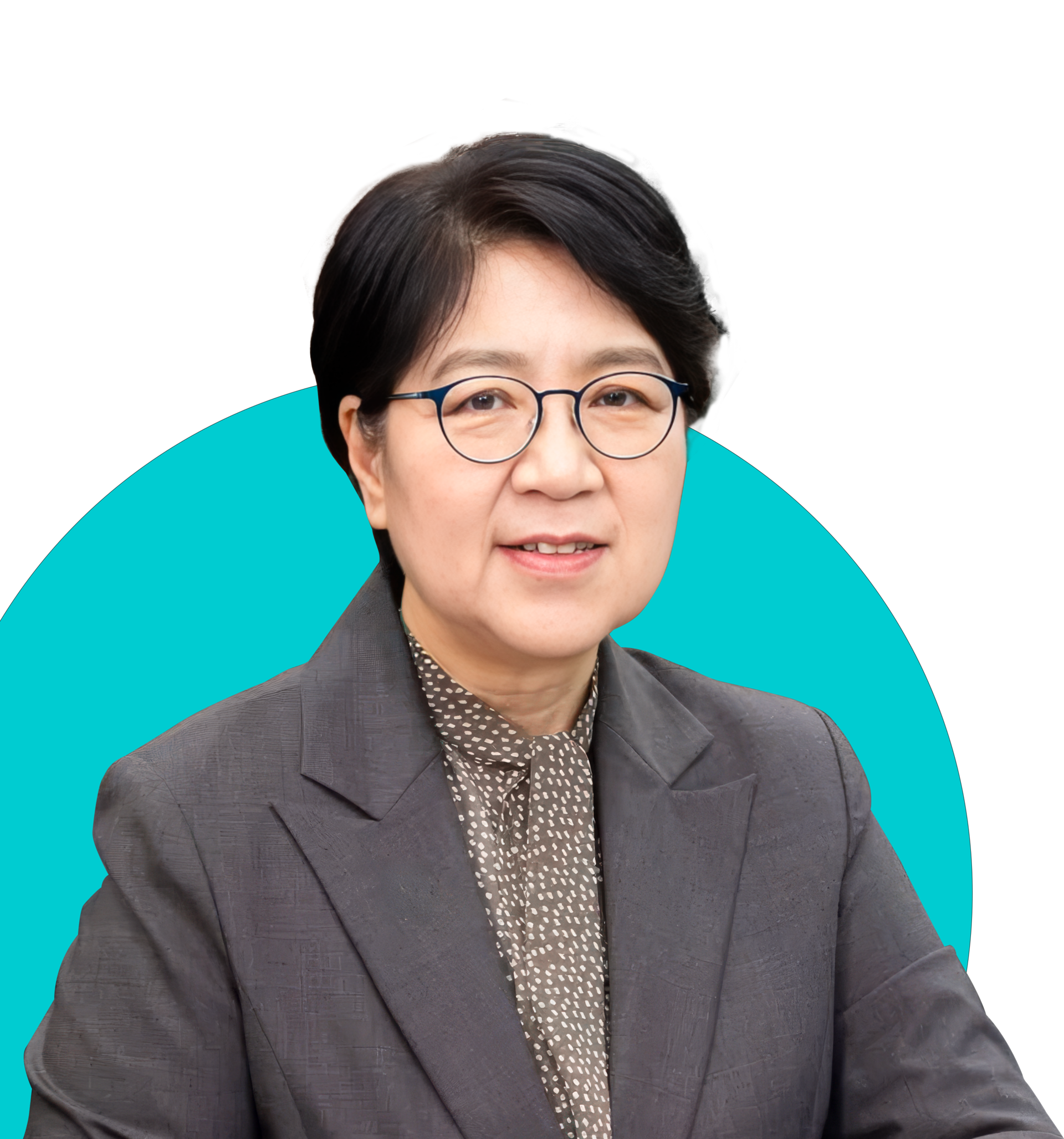
Minister of Health and Welfare of the Korea
JEONG, Eun Kyeong
Hello and a warm welcome to everyone.
I am JEONG, Eun Kyeong,
Minister of Health and Welfare, Republic of Korea.
As autumn reaches its full splendor in October,
it is my great pleasure to welcome global health
leaders and business leaders from around the
world to the World Bio Summit 2026.
First held in 2022, the World Bio Summit was
launched as a platform to share the lessons
learned from the global response to COVID-19
with the international community and to discuss
equitable access to vaccines and therapeutics.
Today, the World Bio Summit seeks to take a further
step forward, moving beyond global cooperation
for health security to become a forum for shaping
the future of healthcare amid the AI-driven
transformation of our world.
AI is fundamentally transforming the paradigm
across the entire biohealth sector—from drug
discovery and clinical practice to hospital operations
and investment.
At the heart of this profound transformation,
we stand at a critical moment when we must
work together to find ways to ensure that the
benefits of AI-driven innovation are shared equitably
by all of humanity.
Under the theme “Expanding Biohealth Innovation
through AI,”
the Ministry of Health and Welfare
of the Republic of Korea and the World Health
Organization (WHO) will bring together leading
experts and stakeholders for in-depth discussions
across three sessions: “New Science,”
“New Value,” and “New Finance.”
In particular, at this year’s World Bio Summit,
the Government of the Republic of Korea will
announce the “AI Healthcare Seoul Declaration,”
setting out a vision for responsible AI adoption and
international cooperation.
Through this initiative, we seek to realize the vision
of “AI-enabled essential healthcare,” ensuring that
the benefits of AI innovation are not concentrated
in particular countries or among certain groups,
but are shared equitably by all.
I invite you to join us on this bold journey to protect
human life and dignity and to open new horizons
for the future of healthcare.
I look forward to welcoming you all on October 21
at COEX Magok Convention Center in Seoul,
Republic of Korea.
Thank you.
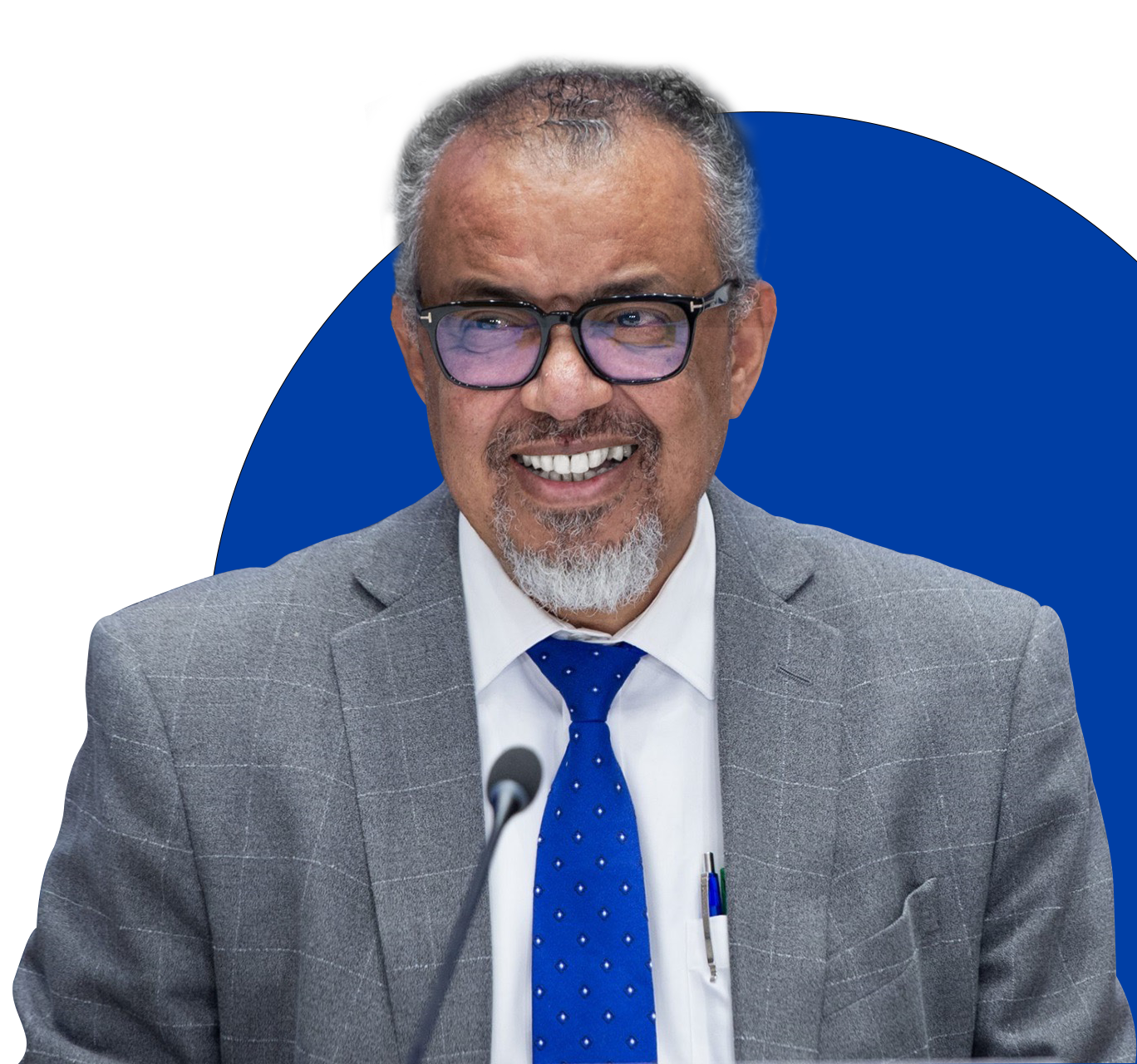
WHO 사무총장
Tedros Adhanom Ghebreyesus
Expanding Biohealth Innovation Through AI
Innovation has always been the engine of progress in public health. Technologies including vaccines, penicillin, the mapping of the human genome, the MRI machine and more recently advances in mRNA and gene editing technology have all changed the trajectory of disease and transformed the lives of millions of people.
But innovation is most powerful when it serves to narrow inequalities rather than widen them. Scientific breakthroughs can transform health only when countries have the capacity to access, adopt and benefit from them. Health security depends on equitable access to new technologies between and within countries, supported by resilient health systems, strong regulatory frameworks, and a skilled workforce.
That is why WHO and its partners are working to strengthen capacities for local production globally, through initiatives including the Global Training Hub for Biomanufacturing in the Republic of Korea. When we decided to position the Hub in Seoul, we were confident that it would be a success, and that’s what we’re seeing. Since 2022, the Hub has trained more than 4,000 participants from around the world, helping to build the expertise needed not only to strengthen manufacturing and health security today, but also to harness the innovations of tomorrow. We thank the Government of the Republic of Korea for hosting the Hub, and look forward to our continued partnership.
This Summit's theme, "Expanding Biohealth Innovation through AI," recognizes that artificial intelligence is rapidly becoming one of the most transformative innovations of our time. AI is no longer merely a supporting technology. It is emerging as a powerful catalyst across the entire biohealth ecosystem, from scientific discovery and clinical research to manufacturing, health service delivery and public health.
AI has the potential to accelerate the development of medicines, vaccines, diagnostics and medical devices; improve disease prevention, diagnosis and treatment; strengthen rehabilitation and long-term care; enhance the performance of health systems; and reinforce preparedness and response for health emergencies.
When deployed responsibly, AI can complement the work of health professionals, expand access to essential services, and help reduce long-standing disparities within and between countries. It can also support greater self-reliance in health by enabling countries to apply data, knowledge and innovation more effectively to meet the needs of their populations.
Like every new technology, AI also carries risks that must be understood and managed with strong governance. AI is already reshaping the future of health. Our shared responsibility is to ensure that we shape AI so that its benefits are safe, inclusive and accessible to all.
I thank the Government of the Republic of Korea for supporting the Global Training Hub for Biomanufacturing, for hosting the World Bio Summit 2026, and for its leadership and partnership in building a healthier, safer, fairer world.
I wish all participants a productive and inspiring Summit.