Welcome remarks by JEONG, Eun Kyeong Minister of Health and Welfare of the Republic of Korea

Welcome remarks by JEONG, Eun Kyeong Minister of Health and Welfare of the Republic of Korea
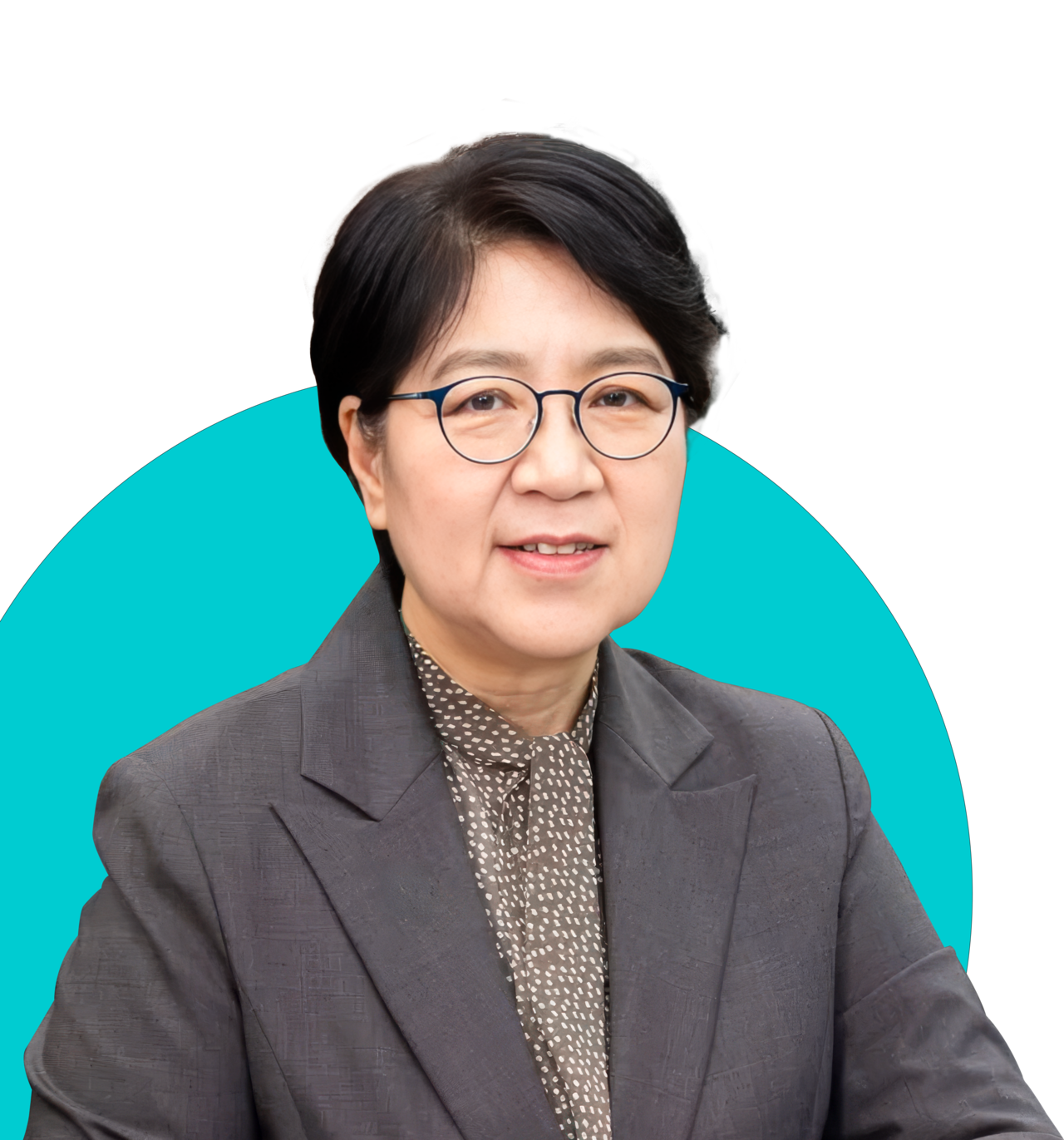
Minister of Health and Welfare of the Korea
JEONG, Eun Kyeong
Hello and a warm welcome to everyone.
I am JEONG, Eun Kyeong,
Minister of Health and Welfare, Republic of Korea.
As autumn reaches its full splendor in October, it is my great pleasure to welcome global health leaders and business leaders from around the world to the World Bio Summit 2026.
First held in 2022, the World Bio Summit was launched as a platform to share the lessons learned from the global response to COVID-19 with the international community and to discuss equitable access to vaccines and therapeutics.
Today, the World Bio Summit seeks to take a further step forward, moving beyond global cooperation for health security to become a forum for shaping the future of healthcare amid the AI-driven transformation of our world.
AI is fundamentally transforming the paradigm across the entire biohealth sector—from drug discovery and clinical practice to hospital operations and investment.
At the heart of this profound transformation, we stand at a critical moment when we must work together to find ways to ensure that the benefits of AI-driven innovation are shared equitably by all of humanity.
Under the theme “Expanding Biohealth Innovation through AI,”
the Ministry of Health and Welfare of the Republic of Korea and the World Health Organization (WHO) will bring together leading experts and stakeholders for in-depth discussions across three sessions: “New Science,” “New Value,” and “New Finance.”
In particular, at this year’s World Bio Summit, the Government of the Republic of Korea will announce the “AI Healthcare Seoul Declaration,” setting out a vision for responsible AI adoption and international cooperation.
Through this initiative, we seek to realize the vision of “AI-enabled essential healthcare,” ensuring that the benefits of AI innovation are not concentrated in particular countries or among certain groups, but are shared equitably by all.
I invite you to join us on this bold journey to protect human life and dignity and to open new horizons for the future of healthcare.
I look forward to welcoming you all on October 21 at COEX Magok Convention Center in Seoul, Republic of Korea.
Thank you.

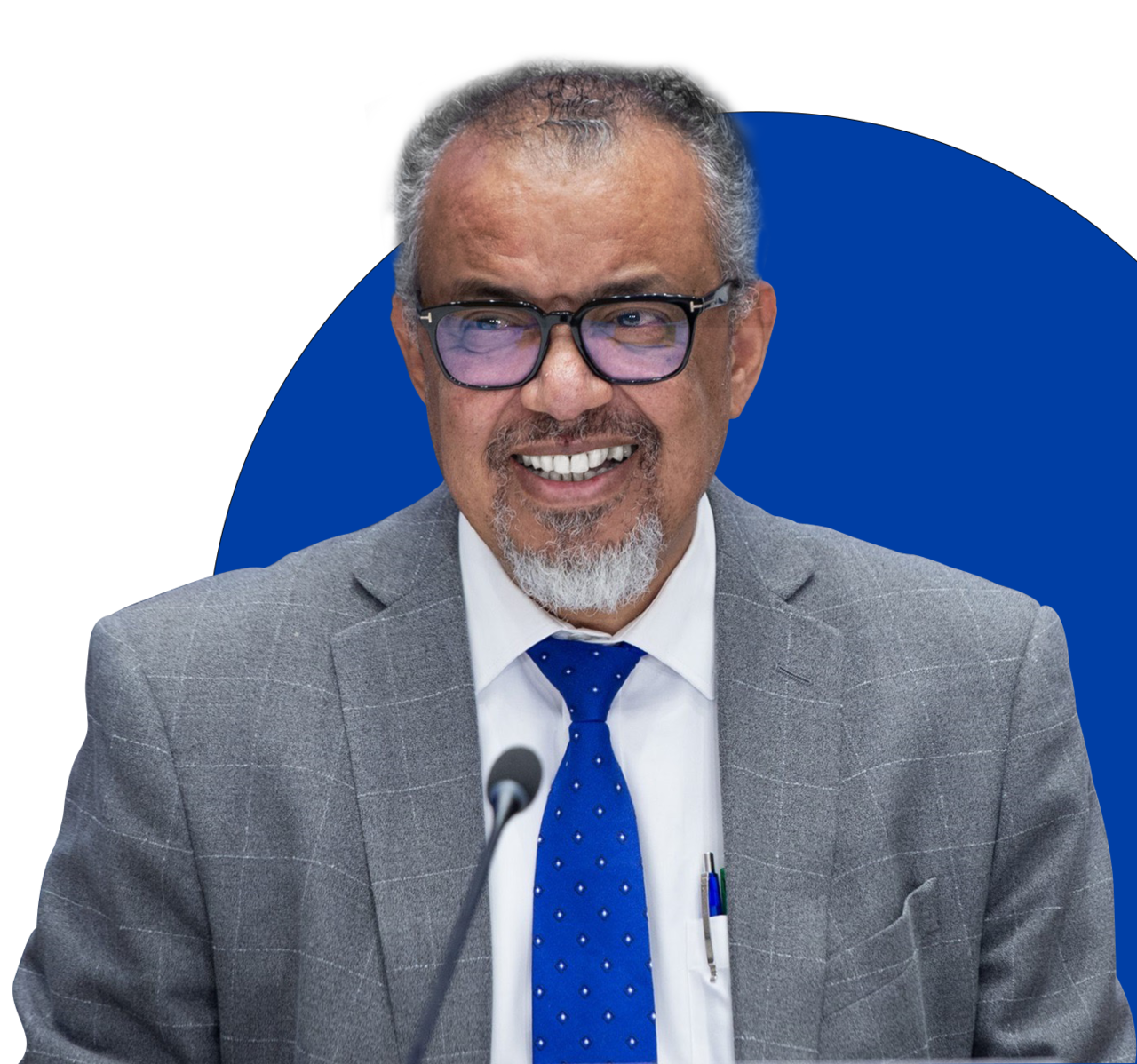
Welcome remarks by WHO Director-General Tedros Adhanom Ghebreyesus
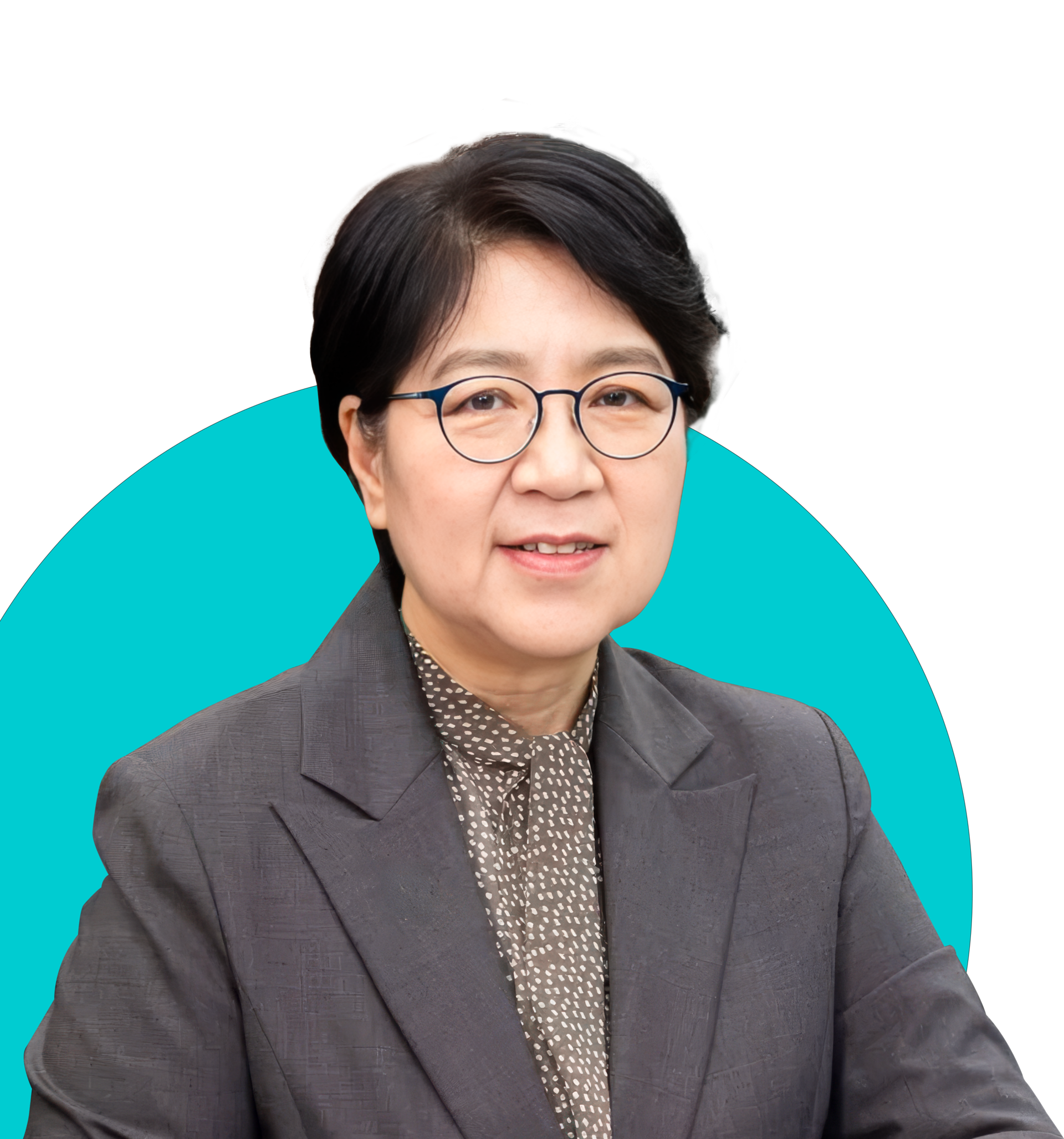
대한민국 보건복지부 장관
정은경
안녕하십니까, 대한민국 보건복지부 장관 정은경입니다.
2025년 9월 17일, “혁신에서 접근으로: 모두를 위한 의료혁신”
이라는 주제로 ‘2025 세계 바이오 서밋’이 개최됩니다.
이번 행사는 ‘APEC 보건과 경제 고위급회의’와 연계 개최되어,
각국 정부 대표를 비롯한 보건 분야 국제기구 및 글로벌 기업 대표,
세계적 석학들의 최근 글로벌 바이오헬스 분야의 더욱 풍부한
통찰과 비전을 공유하는 장이 될 것으로 기대됩니다.
그간 국제사회는 코로나19 팬데믹을 계기로 인류의 삶을 위협하는
글로벌 보건 이슈에 공동 대응할 필요가 있음을
깊이 공감하였습니다.
이러한 시대적 흐름 속에서, 대한민국은 올해 서밋에서 의료 AI,
바이오클러스터, 고령화 대응 기술에 대한 논의를 통해
‘전 인류의 건강한 삶’이라는 공동의 비전을 실현하고자
세계보건기구와 함께 여러분을 초대합니다.
여러분의 미래 기술의 비전과 과감한 정책에 대한 지혜가
‘2025 세계 바이오 서밋’을 통해 모두를 위한 의료혁신으로
이어질 수 있도록
많은 관심과 성원을 바랍니다.
감사합니다.
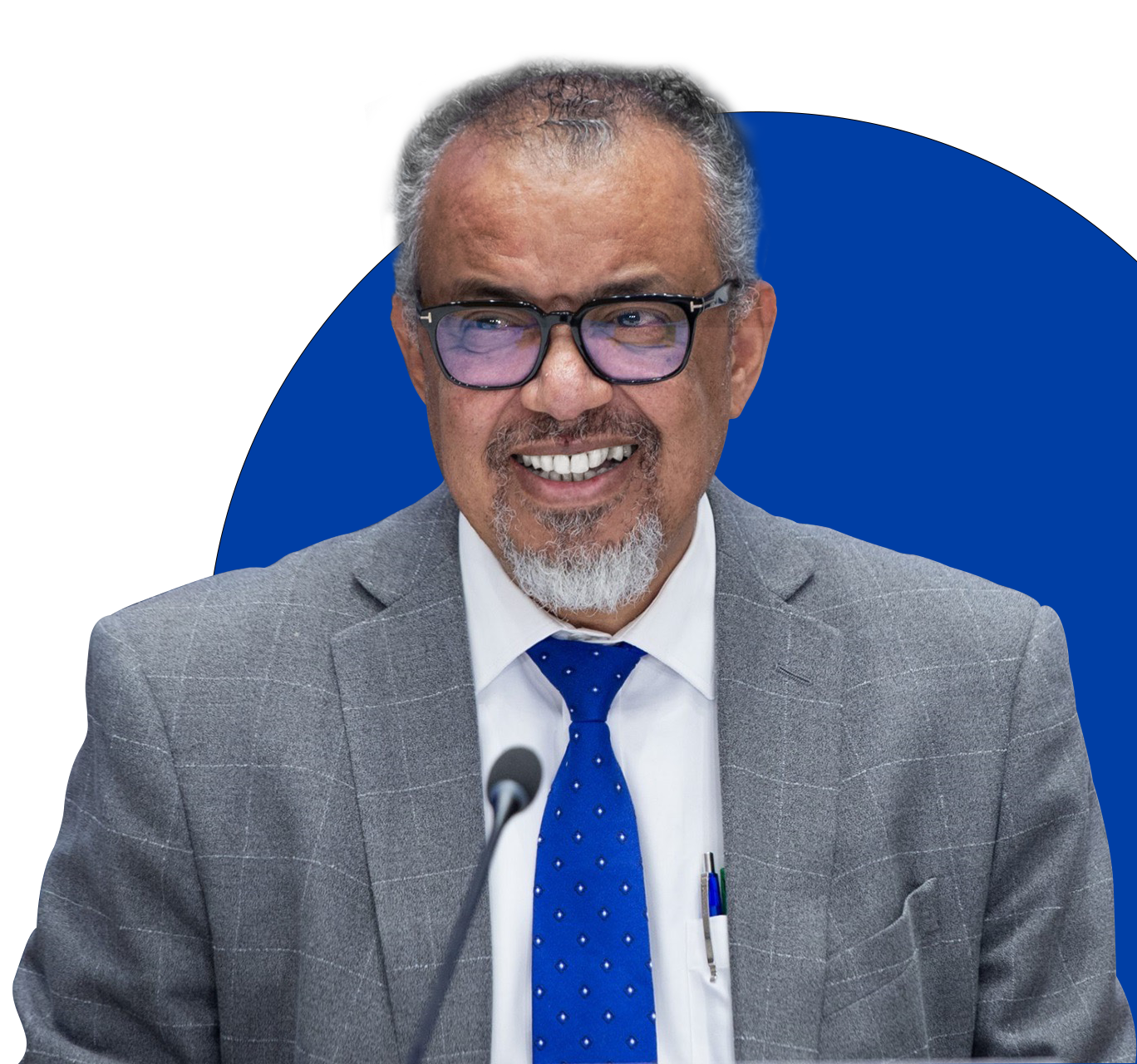
WHO 사무총장
Tedros Adhanom Ghebreyesus
We live in a world of multiple overlapping health threats,
from climate change to conflict, disease outbreaks,
antimicrobial resistance and the growing burden of
noncommunicable diseases. Yet many countries still face
challenges in accessing much-needed medicines,
vaccines and other health products. Many are produced
by a small number of manufacturers, increasing the risk
of shortages and inequitable access. In the face of these
challenges, expanding national and regional production is
essential for strengthening epidemic and pandemic
preparedness and response.
Since the COVID-19 pandemic, there have been
significant developments globally in strengthening
local production. In 2022 WHO launched the mRNA
Technology Transfer Programme, which is now sharing
technology from its base in South Africa with a network
of 15 partner countries; and in 2023, we established the
WHO Biomanufacturing Workforce Training Initiative,
including the Global Training Hub for Biomanufacturing in
the Republic of Korea, which has helped to train over
7,000 participants globally.
WHO Director-General
Tedros Adhanom Ghebreyesus
We live in a world of multiple overlapping health threats, from climate change to conflict, disease outbreaks, antimicrobial resistance and the growing burden of noncommunicable diseases. Yet many countries still face challenges in accessing much-needed medicines, vaccines and other health products. Many are produced by a small number of manufacturers, increasing the risk of shortages and inequitable access. In the face of these challenges, expanding national and regional production is essential for strengthening epidemic and pandemic preparedness and response.
Since the COVID-19 pandemic, there have been significant developments globally in strengthening local production. In 2022 WHO launched the mRNA Technology Transfer Programme, which is now sharing technology from its base in South Africa with a network of 15 partner countries; and in 2023, we established the WHO Biomanufacturing Workforce Training Initiative, including the Global Training Hub for Biomanufacturing in the Republic of Korea, which has helped to train over 7,000 participants globally.
A significant milestone was reached at this year’s World Health Assembly, when the nations of the world adopted the WHO Pandemic Agreement; a vital instrument of international law in the fight against future pandemics. The Agreement includes provisions to enhance sustainable and geographically diversified local production and the transfer of technology and know-how.
Building on these achievements, the World Health Organization is pleased to co-host the 4th World Bio Summit with the Ministry of Health and Welfare of the Republic of Korea. The inaugural World Bio Summit in 2022 produced the Seoul Declaration – an important commitment to multilateral cooperation in vaccines and therapeutics, building on many years of cooperation between WHO and the Republic of Korea.
This year’s Summit provides a platform for the public and private sectors to foster collaboration and drive inclusive innovation, including the use of artificial intelligence in diagnostic support and health service delivery, along with technology-driven solutions for healthier ageing.
I express my sincere appreciation to the Republic of Korea for its growing leadership in biotechnology and its contributions to promoting equitable and fair access to vaccines, diagnostics, and medicines worldwide.
I invite you all to join us in advancing health innovation for everyone, everywhere.
Thank you.